


Roofers’ and Builders’ Scrap: What to Separate on Site
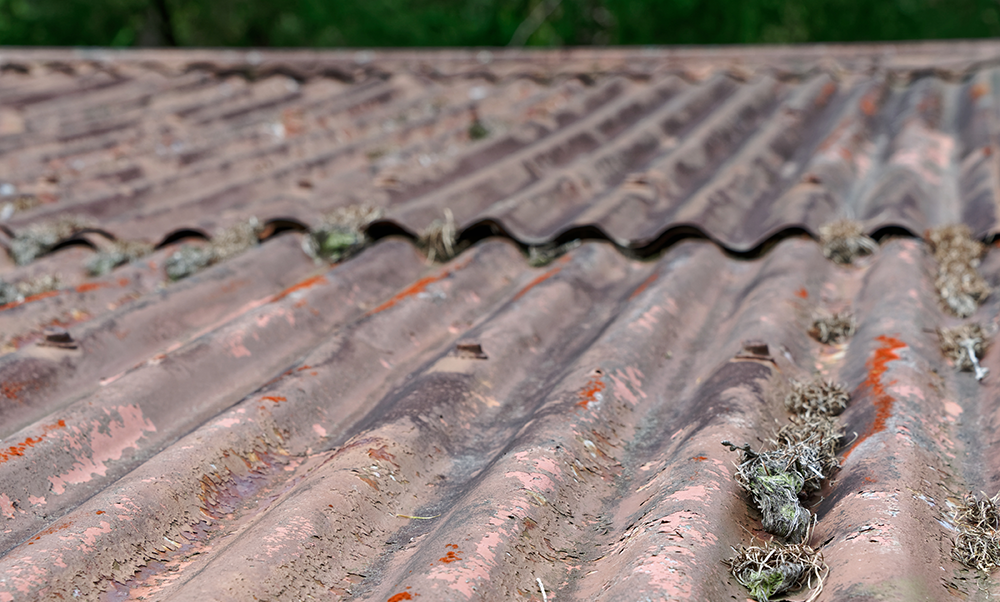
Roofing and building work produces more scrap metal than most people realise. A re-roof, an extension, a window replacement or a full strip-out will leave you with lead, cast iron, steel and aluminium that’s worth money if it’s sorted, and a headache if it isn’t. The difference between the two usually comes down to what happens on site before the skip is collected.
Here at Taroni’s of Birmingham, we work with roofers, builders and contractors across Birmingham and the Midlands, and this guide covers what to keep separate, what’s worth the most and how to make site clearance as painless as possible. If you’ve already read our guide to plumbing scrap, this follows the same approach.
Lead: small quantities, high value
Lead is the metal roofers should pay the most attention to. Flashing, valleys, soakers, hips and old lead pipework don’t look like much when they come off a roof, but lead is one of the more valuable common scrap metals by weight, and it’s heavy, so a few rolls adds up quickly.
A few practical points:
- Keep lead on its own. Don’t mix it with steel, aluminium or anything else
- Keep it clean and dry. Lead that’s caked in mortar, felt or roofing adhesive is harder to grade
- Roll it up or fold it so it’s easy to handle and weigh
- Wear gloves and wash your hands after handling it. That’s basic lead hygiene, not us being fussy
Because lead theft from churches and public buildings has been a real problem over the years, every licensed yard is required to record who it buys lead from. Bring photo ID and proof of address and, if you’re clearing a commercial or heritage building, it doesn’t hurt to have paperwork showing you’ve got the job. We treat that process as a trust signal, not a nuisance: it’s how you know you’re dealing with a legitimate yard.
Cast iron guttering, downpipes and soil stacks
Older properties across Birmingham still have cast iron rainwater goods, and replacing them with uPVC or aluminium leaves you with a pile of heavy ferrous scrap. Cast iron is recyclable and worth bringing in, but it needs to be kept separate from mild steel, as the two are graded differently. The same goes for cast iron soil stacks, hoppers and gully grates.
Cast iron is brittle, so it’s often easier to break long lengths down with a hammer than to try and load them whole. Just keep an eye on sharp edges.
Steel lintels, RSJs, rebar and mesh
Structural steel is the bulk of what comes off most building sites. Steel lintels, universal beams, rebar, mesh reinforcement, steel props and old steel window frames are all straightforward ferrous scrap. It won’t fetch what lead or copper will per kilo, but there’s usually a lot of it, and it’s easy to deal with.
The main thing is to keep it reasonably clean. Lumps of concrete left on rebar or a beam still caked in brick dust and mortar reduces the grade of the load. You don’t need to scrub it, but knocking off the worst of it is worth doing.
One word of caution: scaffold tube and fittings nearly always belong to the scaffolding company, not the contractor. Don’t bring it in unless it’s genuinely yours.
Aluminium: window frames, guttering and roof sheets
Aluminium is the non-ferrous metal builders see most of. Old aluminium window and door frames, aluminium guttering, roofing sheets, flashing and cladding are all worth separating from steel. Aluminium isn’t magnetic, so the quick test is to run a magnet over it: if it doesn’t stick, keep it apart.
Window frames need the glass removed before they come in. The rubber gaskets and plastic thermal breaks are fine to leave in place; we’d rather you didn’t spend hours picking them out.
Copper and zinc roofing
Less common, but worth mentioning. Copper roofing, copper flashing and zinc standing seam roofing occasionally come off older or more expensive buildings. Copper in particular is valuable and should never go in a mixed pile. Zinc is recyclable too, and should be kept on its own.
What to keep out of the metal skip
Site waste is the enemy of a well-graded load. Keep these out of your scrap metal entirely:
- Roofing felt, membranes and underlay
- Plasterboard, brick, block and rubble
- uPVC windows, fascias and guttering
- Timber, insulation and packaging
- Glass
A mixed skip with metal buried in rubble is a general waste skip, and you’ll be paying for it rather than being paid.
How the skip service works
For anything beyond a van load, the simplest option is a dedicated metal skip on site. We can supply large or small skips and collect them when they’re full, so metal is dealt with as the job progresses rather than piling up in a corner until handover. We can also collect loose loads of steel and cast iron if that suits the job better.
For contractors doing this regularly, a trade account means you’re paid by BACS straight into the business, with paperwork to support your waste management records. All we need to set one up is a contact name, your company letterhead and your bank details.
Supporting your environmental reporting
Clients and local authorities increasingly want to see where materials from a project have gone. Every piece of metal we take in is recycled, and we can provide documentation to support your waste transfer records, which is a useful thing to have when you’re tendering for your next job. We’ve written more about this in our post on why demolition companies should have a trusted scrap metal partner.
Bring it in or let us come to you
Whether it’s a single roll of lead from a Saturday job or a site full of steel from a demolition, we’d like to help. Visit our Birmingham scrap yard on William Henry Street in Aston, or call 0121 333 3330 to talk about skips and collections across Birmingham and the Midlands. Responsible Metal Recycling since 1952.