


Old Plumbing Scrap: What’s Worth Keeping and What Isn’t?
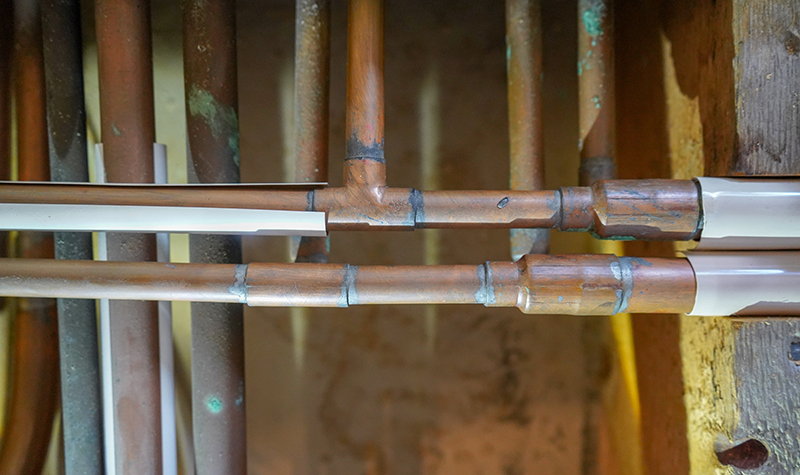
If you’ve had a bathroom refit, a boiler upgrade, or you’re doing regular jobs as a plumber or heating engineer, you’ll know how quickly plumbing scrap builds up. The trouble is, a lot of people throw it all into one pile and miss the bits that actually carry value.
Here at Taroni’s of Birmingham, we see plumbing scrap coming in every day, everything from copper pipe offcuts to old radiators and taps. This guide will help you sort the good stuff from the low value stuff, so you don’t accidentally mix materials and make the load harder to grade.
Start with the quick rule: use a magnet
Before you do anything else, grab a magnet. If it sticks strongly, it’s usually ferrous (steel/iron). Think radiators, brackets, and boiler casings. If it doesn’t stick, it’s usually non-ferrous (copper, brass, lead, aluminium). These are typically the ones worth separating.
Stainless steel can sometimes be slightly magnetic depending on the grade, so if something feels like stainless but reacts a little to a magnet, keep it separate and we’ll check it here.
What’s worth keeping?
Copper pipe and copper scrap
Copper is one of the most common plumbing metals and one of the most worthwhile to sort out. Pipe offcuts, older copper pipework, and copper components should always be kept out of a general “mixed metal” pile if you want the best value. If you can easily remove obvious plastic fittings or insulation, it helps, but don’t overcomplicate it. The main thing is keeping copper separate from steel.
Brass taps, valves and fittings
Brass is the one people overlook. A surprising amount of plumbing hardware is brass underneath, even when it’s chrome plated. If you’ve got old taps, valves, compression fittings, stopcocks, or chunks of heavy yellow-ish metal, it’s usually worth keeping. Brass isn’t magnetic, and it tends to feel heavier than you expect for its size.
Lead (older properties and roofing work)
Lead doesn’t show up on every job, but when it does, it’s usually from roof flashing or older pipework. Keep it clean and dry and store it separately, lead shouldn’t be mixed in with other metals.
Stainless steel sinks and fittings
Stainless sinks are common on kitchen rip-outs and commercial jobs. Stainless is recyclable and worth bringing in, but it’s best kept separate from mild steel. As mentioned above, some stainless can show a light magnetic pull, so if you’re unsure, don’t mix it with your steel pile.
What’s recyclable, but not usually the “money metal”
Steel radiators, brackets, and boiler shells
Radiators and boiler casings are typically steel, so they’re recyclable, but they’re not in the same bracket as copper or brass.
One simple tip: remove radiator valves if you can. Those small fittings are often brass, and separating them can make a difference, especially if you’ve got a few radiators from a refurb.
What to keep out of your scrap pile
Plumbing waste often comes with non-metal bits attached, and these are the things that slow down sorting and can reduce the grade:
- Plastic pipe and push-fit fittings
- Flexible hoses with rubber/plastic layers
- Silicone, foam, insulation and tape
- Bags of mixed bathroom waste (tiles, plaster, packaging, etc.)
A little effort keeping non-metal waste out of your metal pile makes life easier for everyone—and usually means clearer grading.
The easiest way to sort plumbing scrap at home or on site
You don’t need to make it complicated. A simple system works best:
- One container for copper
- One for brass taps/valves/fittings
- One for steel (radiators, casings, brackets)
- Keep lead and stainless separate if you have them
- Keep plastics and general waste out entirely
Even doing just that basic separation can make a big difference.
Bring it in to Taroni’s (and we’ll help you grade it)
If you’re not sure what you’ve got, don’t worry, bring it to our Birmingham scrap yard. Here at Taroni’s of Birmingham, we’ll help identify the metal, explain what’s worth separating for next time, and make sure your scrap is handled properly. The biggest mistake we see is good material being lost in a mixed pile, especially copper pipe and brass fittings. Keep those aside, and you’re already doing it the right way.