
Non-Ferrous vs Ferrous: A Quick Test You Can Do at Home
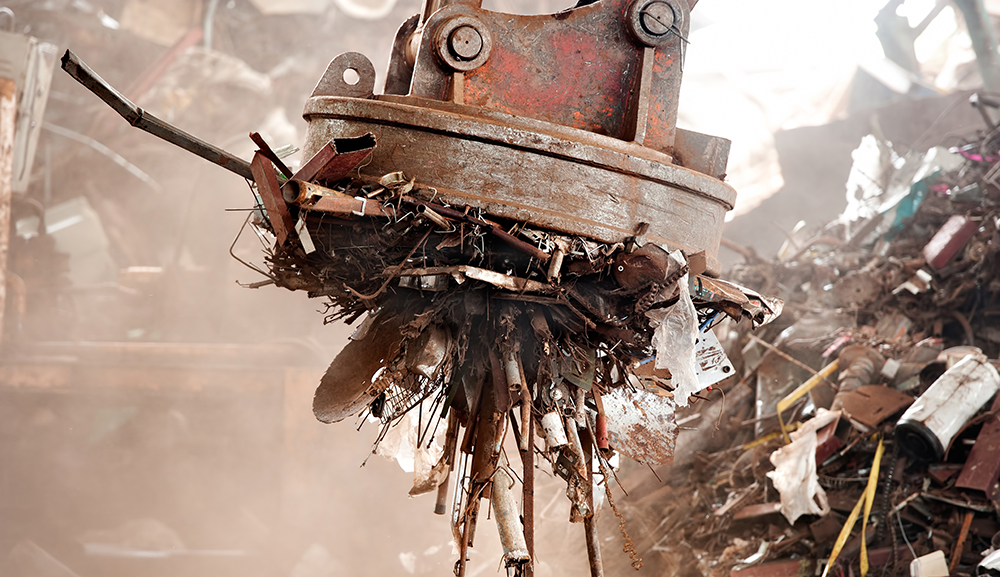
If you’ve ever tipped out a box of old fittings, pipes and odd bits of metal and wondered, “Is any of this worth anything?”, you’re not alone. The quickest way to start sorting so you get paid properly and speed things up at the yard is the simple magnet test. In a couple of minutes you can split your pile into two groups: ferrous (iron-based, magnetic) and non-ferrous (typically non-magnetic and, in most cases, higher value).
Here at Taroni’s of Birmingham we are scrap metal experts, buying a wide range of ferrous and non-ferrous metals every single day. This guide shows you how to do the test safely at home, how to spot common metals, and how to prepare them before you visit us for the best possible experience.
What does “ferrous” and “non-ferrous” mean?
- Ferrous metals contain iron. They’re usually magnetic and include things like mild steel, cast iron and many grades of stainless steel. They tend to rust (unless alloyed for corrosion resistance) and are typically used for structural items, machinery, and everyday appliances such as cast iron radiators, hinges, and decorative railings.
- Non-ferrous metals don’t contain iron. They’re usually non-magnetic, resist corrosion well, and include copper, brass, aluminium, lead, and stainless grades with low magnetic response.
The 60-second magnet test
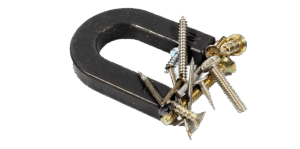
You don’t need special kit, just a decent fridge magnet or, better still, a small neodymium magnet (they’re stronger and make sorting easier).
Get your space ready
Clear a flat area, put on gloves and eye protection, and keep a bucket or box for each pile: Ferrous and Non-ferrous.
Touch the magnet to the item
Strong pull = Ferrous (likely steel or iron).
Little/no pull = Non-ferrous (think copper, brass, aluminium).
Light/partial pull = Could be stainless steel (some grades are weakly magnetic) or an item with mixed components.
Listen and look
After the magnet check, look at the colour and surface:
Reddish-brown corrosion: iron/steel (ferrous).
Reddish core or bright clean reddish surface: copper (non-ferrous).
Yellow-gold colour: brass (non-ferrous).
Silvery and very light: aluminium (non-ferrous).
Dull grey, soft and heavy: lead (non-ferrous).
Sort and label
Pop each item into the right box. If it’s mixed (for example, a steel radiator with brass valves), separate the parts where possible.
Common household and trade items (and how they classify)
Ferrous (magnetic)
- Radiators, boilers’ steel casings, steel shelving
- Cookers, washing machines, tumble dryers (outer carcasses)
- Steel ladders, gates, fencing
- Cast iron baths, manhole covers, brake discs
Non-ferrous (usually non-magnetic and higher value)
- Copper: Pipes, tank offcuts, wiring (after removing outer insulation), cylinders
- Brass: Taps, valves, door handles, plumbing fittings
- Aluminium: Window frames, ladders, bike frames, pans, car wheels (alloys)
- Lead: Roof flashing, old water pipe sections, lead acid battery terminals
- Stainless steel: Sinks, catering equipment, some exhaust parts (value varies by grade)
Why it matters
Sorting metal properly helps you get paid accurately, speeds up your time on site, and keeps materials moving smoothly through the recycling process. Non-ferrous metals in particular have strong demand so pulling them out with a quick magnet test is well worth the minute it takes.
Here at Taroni’s, we’ve been part of Birmingham’s metal story for generations. We buy copper, brass, aluminium, stainless, lead daily, working with homeowners, trades and businesses across the West Midlands. Bring your sorted metal in, and our friendly team will handle the rest.