
What Happens to Your Scrap Metal After You Recycle It?
Have you ever wondered what happens to your scrap metal once you drop it off at a scrap metal yard like Taroni’s of Birmingham? While it may seem like the end of the road for your old appliances, pipes, or metal scraps, in reality, it’s just the beginning of an incredible journey. Recycling scrap metal is a fascinating and vital process that not only breathes new life into discarded materials but also contributes significantly to sustainability efforts. Let’s take a closer look at the step by step process your scrap metal goes through, from collection to reuse.
Collection and Sorting
The journey starts the moment you bring your scrap metal to Taroni’s of Birmingham. One of our primary tasks is to collect and sort the materials by type. This step ensures that ferrous metals (those containing iron) and non-ferrous metals (like aluminium, copper, and brass) are properly separated.
Here at Taroni’s, we use a combination of advanced technology and skilled manual labor to make this process as efficient as possible. Magnets are employed to quickly distinguish ferrous metals, while shredders break down larger items into smaller, more manageable pieces. For metals that require additional sorting, our team ensures precision by manually inspecting and separating items to guarantee the best quality results.
Cleaning and Processing
Once sorted, the scrap metal undergoes a cleaning and processing phase. Impurities such as paint, plastic coatings, or other non-metallic materials are removed. Oversized pieces are cut down to smaller sizes and compressed into compact bundles for easier handling.
These steps ensure that the metal is in its purest form before moving on to the next stage. By cleaning and processing the material thoroughly, we maximise its value and prepare it for the next phase of recycling.
Melting and Refining
The cleaned scrap metal is then transported to specialised recycling facilities equipped with large furnaces. These furnaces are designed to melt metals at extremely high temperatures. Each type of metal has its own melting point, so the process is carefully monitored to ensure efficiency and precision.
During this stage, the molten metal is refined to remove any remaining impurities. The melted metal is then poured into moulds to create new raw materials, such as ingots, sheets, or wires, ready for manufacturing.
Reformulation
Once the metal has been refined and cast into its new form, it’s ready for the reformulation stage. This is where the raw materials are shaped into products that manufacturers can use to create new items. From aluminium sheets used in car manufacturing to copper wires used in electrical components, the possibilities are endless.
Thanks to the recycling process, these materials can go on to have multiple lifecycles, reducing the need for newly mined resources. This is a testament to the durability and versatility of metals, making recycling a crucial part of the production chain.
Distribution to Manufacturers
After reformulation, the recycled materials are distributed to manufacturers across various industries. These manufacturers use the recycled metals to create a wide array of new products, from construction materials and appliances to vehicles and packaging.
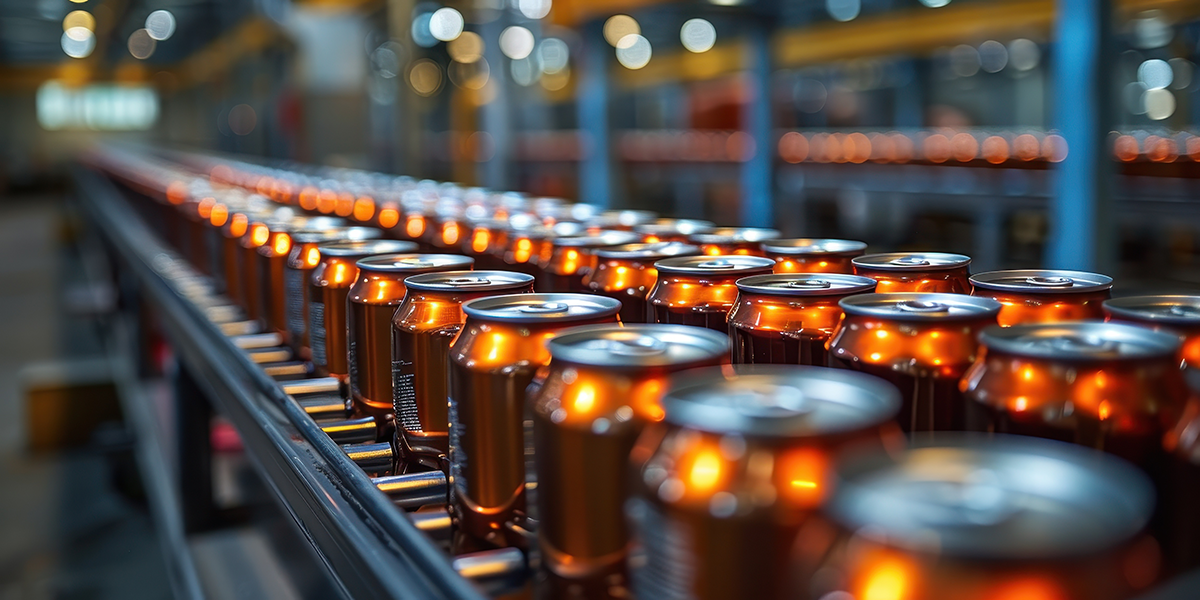
At Taroni’s of Birmingham, we take pride in knowing that the materials we recycle contribute to the creation of essential products that people use every day. Whether it’s a drinks can that becomes part of a new car or an old pipe that transforms into a piece of modern architecture, the impact of scrap metal recycling is far reaching.