

Tackling the Demands of Industry with Metal Recycling
While most people will be primarily interested in the value of their scrap metal, and what metals they can scrap. The scrap metal recycling industry plays an important role in cutting down waste, reducing environmental impact, and conserving resources.
Recycling your scrap metal with Taroni’s of Birmingham helps tackle the challenges of a growing population and increased consumption.
Here are some interesting facts about metal recycling that highlight its importance and the difference it can make for both the planet and our day to days lives.
The World’s Most Recycled Metal
Steel is one of the most versatile and widely used materials across industries, from construction to transportation. Its popularity stems from its strength and recyclability. On average, steel products have a lifespan of 35 to 40 years before being scrapped.
The UK generates approximately 10 million tonnes of scrap steel annually, with about 80% of it exported for processing in countries like Turkey and China. Interestingly, the UK produces around 7 million tonnes of steel each year—less than half its total demand. With greater investment in recycling infrastructure, the UK could significantly reduce its reliance on imported steel.
Over 2.5 Billion Cans Recycled Each Year in the UK
The UK is already making strides in steel recycling, with over 2.5 billion steel cans recycled annually. This impressive effort prevents 125,000 tonnes of waste from reaching landfills each year.
Recycling steel isn’t just about waste reduction, it also slashes CO2 emissions by 80% compared to manufacturing steel from raw materials. Furthermore, recycling steel helps conserve water, cutting water consumption by 40% and water pollution by 76%. An estimated 25% of the steel used in new cars is sourced from recycled materials.
75% of All Aluminium Ever Produced Is Still in Use
Aluminium stands out as one of the most sustainable materials on the planet. Around 75% of all aluminium ever produced is still in use today, thanks to its ability to be recycled repeatedly without losing quality.
From aerospace components to food and drink packaging, aluminium is vital across a range of industries. In fact, 90% of drinks cans in the UK are made of aluminium, showcasing its importance in everyday life.
Infinitely Recyclable and Highly Energy Efficient
Recycling aluminium is a game-changer for energy conservation. For every 1kg of aluminium recycled, 8kg of bauxite (the primary raw material), 4kg of chemicals, and 14 kWh of electricity are saved.
Recycling just one tonne of aluminium reduces CO2 emissions by 9 tonnes and conserves 4 tonnes of bauxite. Even better, aluminium cans can be recycled endlessly without losing quality and return to shelves as new cans within just two months.
The Global Demand for Copper Has Tripled Since 1960
Copper is another metal that can be recycled without losing its properties, making it essential for sustainable practices. Known for its excellent conductivity, copper is heavily used in electrical applications, with around 65% of global copper dedicated to wiring and electronics.
Recycling copper requires 85% less energy than producing it from virgin ore, significantly reducing greenhouse gas emissions. Meeting the growing demand for copper, particularly in renewable energy and electronics, depends on efficient recycling systems.
Zinc: A Vital Metal with High Recycling Rates
Zinc is the fourth most commonly used metal in the world, with applications ranging from batteries to vehicle components. It’s often alloyed with other metals, like brass and bronze, to enhance durability.
Recycling zinc is far more energy-efficient than mining it from ore, using up to 76% less energy. Thanks to recycling efforts, nearly 70% of zinc in end-of-life products is reclaimed, ensuring it continues to support industries while reducing environmental harm.
Gold: A Hidden Gem in Recycling
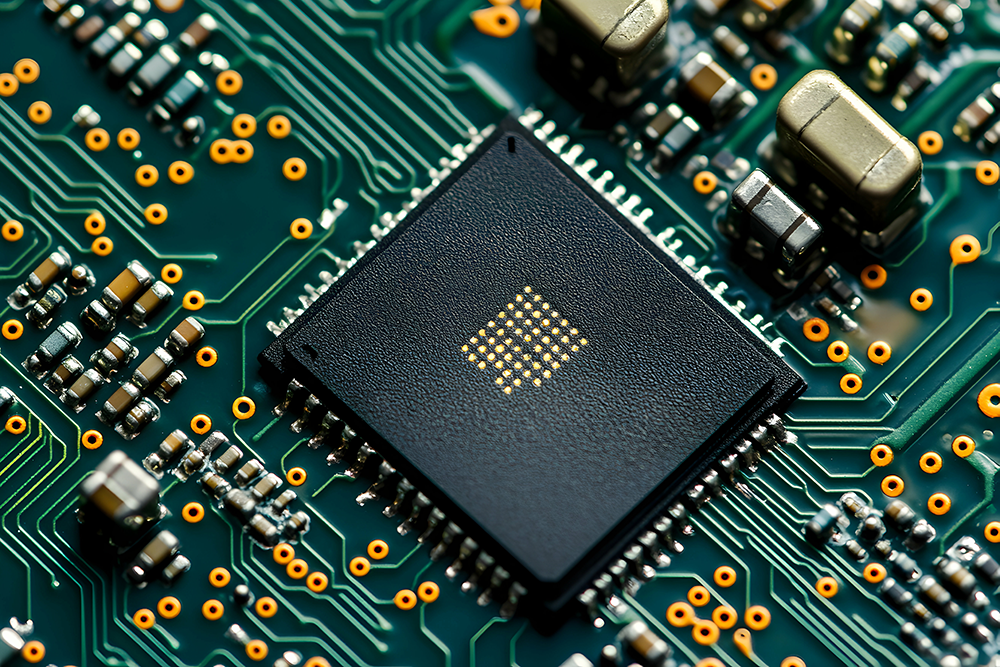
While not as common as steel or aluminium, gold is one of the most valuable metals to recycle. Widely used in electronics like smartphones and computer chips due to its excellent conductivity and resistance to corrosion, gold can be recovered from discarded devices.
Recycling gold is far more energy-efficient than mining, saving up to 90% of the energy required. For perspective, recycling just one mobile phone can recover around 0.034g of gold, demonstrating how even small actions can contribute to resource conservation.
Recycling metals is about more than reducing waste and cashing in. It’s about conserving resources, saving energy, and lowering greenhouse gas emissions. Whether it’s steel, aluminium, copper, or even gold, each recycled item plays a part in building a more sustainable future.
By responsibly recycling your scrap metal with Taroni’s you can benefit both the environment and future generations. Every effort counts, and together, we can ensure our planet’s resources are used responsibly.