
Catalytic Converter Recycling: What You Need to Know
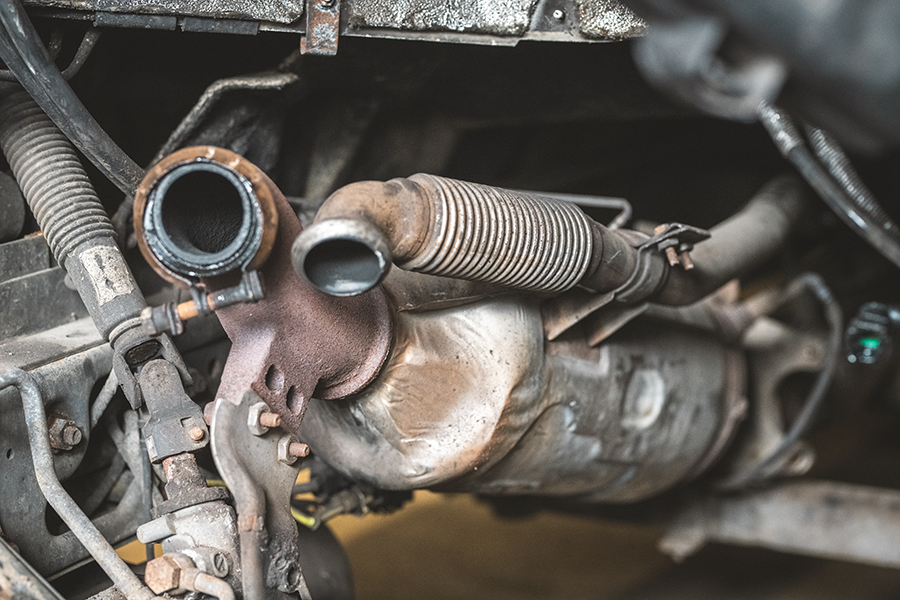
Tucked away underneath almost every petrol and diesel car on the road is a small component that does a big job, and contains some of the most valuable metals on the planet. The humble catalytic converter rarely gets a second thought until a car reaches the end of its life. Here at Taroni’s of Birmingham, we’ve been recycling metal in all its forms since 1952, and catalytic converters are one of the more fascinating things that pass through our Birmingham scrap yard. In this blog, we explain what they are, why they’re so valuable, why recycling them matters, and how to do it responsibly.
What Is a Catalytic Converter and Why Is It So Valuable?
A catalytic converter is part of a vehicle’s exhaust system. Its job is to clean up the harmful gases produced by the engine, converting pollutants like carbon monoxide, nitrogen oxides and unburnt hydrocarbons into less harmful substances before they leave the exhaust pipe. In short, it’s one of the reasons modern cars are far cleaner than those of decades past.
What makes the catalytic converter so sought after isn’t the metal casing, it’s what’s inside. To do their job, converters rely on a group of rare precious metals known as platinum group metals, most commonly platinum, palladium and rhodium. These metals act as catalysts, triggering the chemical reactions that neutralise harmful emissions.
These are not everyday metals. Platinum group metals are among the rarest and most valuable materials in the world. Rhodium in particular has, at times, been worth considerably more than gold. Because only tiny quantities are used in each converter, and because they’re so difficult and expensive to mine, recovering them through recycling is enormously worthwhile.
Why Recycling Catalytic Converters Matters
As with all the metals we handle at Taroni’s of Birmingham, the environmental case for recycling catalytic converters is a strong one.
Platinum group metals are found in only a handful of places on Earth, with much of the world’s supply mined in a small number of regions. Extracting them from ore is an energy-intensive process that carries a significant environmental cost, from the land disturbed by mining to the emissions produced during refining. Every gram of precious metal we recover from an old catalytic converter is a gram that doesn’t need to be mined from the ground.
Recycling these metals feeds them straight back into the manufacturing cycle, where they can be used again in new converters, electronics, jewellery and industrial processes. It’s a perfect example of the circular economy we talk about so often, keeping valuable resources in use rather than letting them go to waste. When you consider that these metals can be recovered and reused without losing their quality, sending a catalytic converter to landfill starts to look like a genuine waste of one of the planet’s scarcest resources.
Recycling Responsibly: Proof of Ownership and the Law
There’s no getting away from the fact that the value of catalytic converters has, unfortunately, made them a target for theft over the years. That’s exactly why responsible recycling matters so much, and why choosing a licensed, reputable scrap metal dealer is so important.
Here at Taroni’s, we operate fully within the law and take our responsibilities seriously. As a licensed dealer under the Scrap Metal Dealers Act 2013, we’re required to verify the identity of every seller and keep proper records of the metal we buy. That’s why we’ll always ask for photographic ID and, where appropriate, proof that the item is legitimately yours to sell.
The same legislation also made it illegal for scrap metal dealers to pay cash for scrap. All of our payments are made electronically, straight into your bank account, which creates a clear and traceable record for everyone involved. Far from being an inconvenience, these measures protect honest sellers, support the police in tackling metal theft, and keep the industry clean and above board. When you recycle with a licensed dealer like Taroni’s, you can be confident everything is being handled legally and responsibly.
If you’re recycling a catalytic converter, our advice is simple: only ever deal with a licensed dealer, always bring your ID, and hold on to any paperwork that shows the part came from your own vehicle or a legitimate source.
How to Recycle Your Catalytic Converter with Taroni’s
Recycling a catalytic converter with us is straightforward. Whether you’re a member of the public with a single unit from an old family car, a mechanic clearing out the workshop, or a business dealing with end-of-life vehicles, our experienced team is here to help.
Simply bring your catalytic converter along to our yard in Birmingham, and our staff will take a look and offer you a fair price based on its type and the metals it contains. Don’t forget to bring photographic ID, as we’ll need it to complete the transaction, and payment will be made electronically on the day. If you’re a business or trade customer dealing in larger volumes, get in touch and we can talk through collection options to suit you.
Over more than seventy years, we’ve seen the scrap metal industry change enormously, but our commitment has stayed the same: to recycle responsibly, pay a fair price, and make the whole process as easy as possible for our customers across Birmingham and beyond.
If you’ve got a catalytic converter, or any other scrap metal, that you’d like to turn into cash, we’d love to hear from you. Get in touch with the team at Taroni’s of Birmingham today, and let’s put those precious metals back to good use.