


Guide to Scrapping White Goods
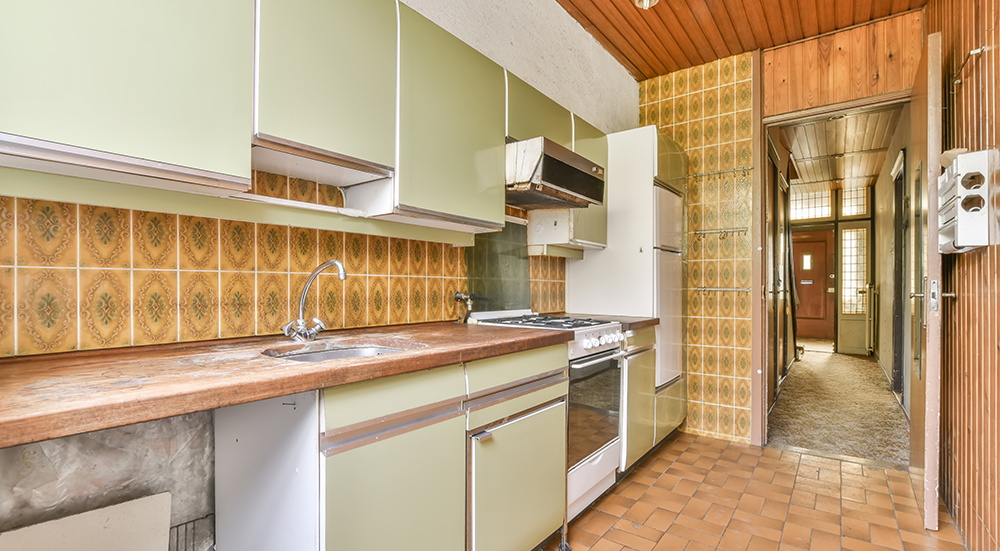
When a washing machine packs up or you’re replacing the kitchen, the old appliance tends to sit in the garage or by the back door for weeks while you work out what to do with it. Most people’s first thought is to book a bulky waste collection and pay the council to take it away. What a lot of people don’t realise is that most white goods are largely made of metal, and that means they can be recycled as scrap.
Here at Taroni’s of Birmingham, we take in old appliances from households and trades across the city every week. This guide explains what’s inside them, which ones we can take and what to do with the ones that need special handling.
What’s actually inside a washing machine?
A washing machine is a surprisingly good source of scrap metal. The outer casing is steel, the drum is usually stainless steel and the motor contains copper windings. Older machines also have a heavy cast-iron or concrete counterweight bolted to the drum to stop it walking across the kitchen floor. Add in the steel frame and the brass and copper in the valves and hoses, and there’s a fair amount of recyclable metal in a machine that most people think of as rubbish.
Tumble dryers and dishwashers are much the same story: steel casings, stainless internals and a motor worth recycling.
Cookers, hobs and ovens
Freestanding cookers and built-in ovens are mostly steel, with aluminium and copper in the wiring and heating elements. Gas cookers also contain brass in the burners and valves. If you’re bringing one in, it helps to remove the glass door panels and any loose shelving beforehand, as glass isn’t something we can recycle alongside the metal. If your cooker is gas, make sure it has been disconnected by a Gas Safe registered engineer before it goes anywhere.
Microwaves are smaller but worth mentioning. The transformer inside an older microwave is wound with copper and the casing is steel, so they’re worth adding to the pile rather than sending to landfill.
Fridges and freezers are different
This is the one that catches people out. Fridges, freezers and fridge-freezers contain refrigerant gas in the cooling circuit and often in the insulation foam as well. By law, these gases have to be removed by a licensed facility before the appliance can be broken down and recycled. That’s why fridges can’t simply be crushed with other scrap, and it’s why you’ll see them handled separately at recycling centres.
Before you load a fridge or freezer into the car, give us a call on 0121 333 3330 and we’ll tell you the right way to deal with it. We’d rather have a two-minute conversation than see you make a wasted trip.
Do you need to strip anything out first?
For most appliances, no. We can take washing machines, dryers, dishwashers and cookers as they are. That said, a couple of small jobs can help:
- Remove glass shelves and door panels from ovens
- Take out any water left in the drum or sump of a washing machine
- Disconnect hoses and leave them at home (they’re rubber and plastic, not metal)
- Make sure the appliance is empty
If you’re handy and have a few minutes, the copper motor from a washing machine can be unbolted and brought in separately, as bare copper is graded higher than a whole appliance. It’s not essential, though, and most people just bring the machine in whole.
What about the rest of the house?
Once people realise white goods can be scrapped, they often start noticing other things. Boilers, radiators, old bikes, metal bed frames, garden furniture, barbecues, lawnmowers and filing cabinets are all recyclable, and a house clearance or garage tidy-up can add up to a decent load. We cover this in more detail in our guide to cashing in on scrap metal in your home.
The exceptions are anything containing refrigerant (air conditioning units as well as fridges), anything with a sealed battery inside and gas cylinders, which need to go back to the supplier rather than to a scrap yard.
Why bring it to us rather than booking a council collection?
There are a few good reasons:
- You won’t pay a collection fee. Scrap metal has value, so you’re paid rather than charged
- It’s recycled properly. Every tonne of steel recycled saves iron ore, coal and a significant amount of energy compared with making new steel
- It’s quick. Our customers tell us they’re usually in and out within ten minutes
We’re open Monday to Friday from 7.30am to 5pm and Saturday mornings until 1.45pm, and you’ll find us on William Henry Street in Aston, just off the A34. If you don’t have a vehicle big enough for the job or you’ve got several appliances from a refurbishment, ask about our collection service.
Bring your ID
One quick practical note. Under the Scrap Metal Dealers Act, every licensed yard in the UK has to record who they buy scrap from, so you’ll need to bring photo ID and proof of address the first time you visit. We also can’t pay in cash; payment goes straight into your bank account by BACS, or you can use our cheque exchange facility if you’d prefer. You can read more about how we pay on our FAQs page. It’s a small thing, but it’s part of what makes us a yard you can trust.
Give your old appliance a second life
An old washing machine isn’t rubbish. It’s steel, copper and stainless that can be melted down and made into something new, and we’ve been doing exactly that in Birmingham for over seventy years. Load it up and bring it down to our Birmingham scrap yard, or call us on 0121 333 3330 if you’d like to check anything first. Responsible Metal Recycling since 1952.