


Recycled Aluminium Cladding Systems
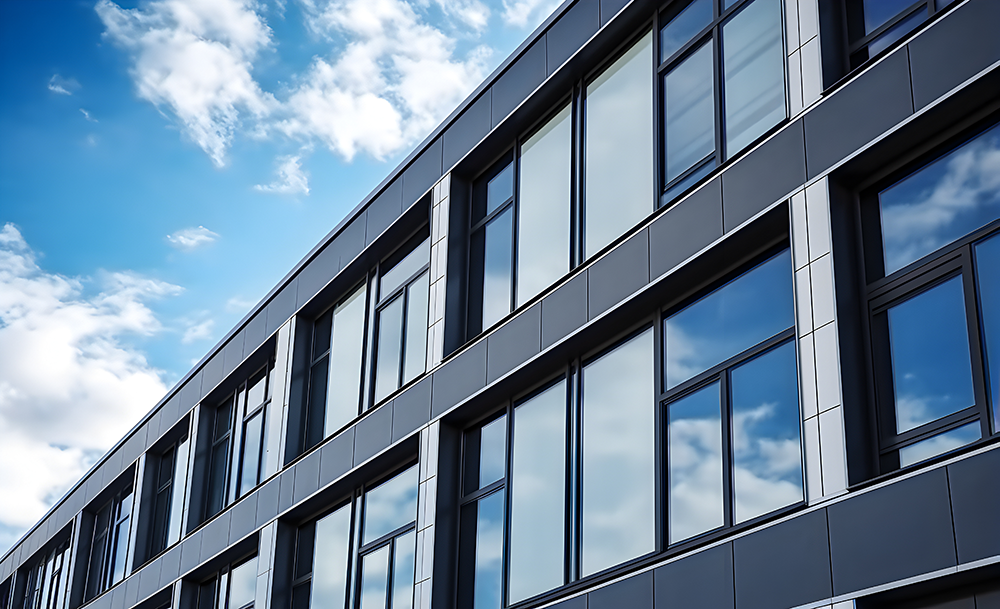
The architecture of UK cities has changed dramatically over the past few decades. From sleek, glass-covered towers to bold geometric structures, modern skylines are defined by cutting edge materials and construction techniques. One of the most revolutionary advancements in contemporary architecture has been the widespread use of aluminium cladding systems.
Lightweight, durable, and versatile, aluminium cladding has become the material of choice for many commercial buildings, particularly in major cities like Birmingham and London. Not only does it offer a stylish and modern aesthetic, but it also contributes to sustainability efforts, as aluminium cladding can be made from recycled scrap metal, reducing environmental impact and conserving resources.
The Rise of Aluminium Cladding in Modern Architecture
Aluminium cladding has become a defining feature of modern buildings, helping to create sleek, futuristic cityscapes. Architects and developers favour aluminium for its high strength-to-weight ratio, making it an ideal choice for high-rise buildings. Unlike traditional materials like brick or concrete, aluminium is incredibly lightweight, which reduces the structural load on buildings while still providing excellent protection against the elements.
One of the biggest advantages of aluminium cladding is its design flexibility. It can be produced in a variety of finishes, including powder-coated, and textured surfaces, allowing architects to create visually striking facades. From the shimmering glass like exteriors of London’s financial district to the dynamic geometric panels seen in Birmingham’s growing skyline, aluminium cladding allows for bold architectural statements.
Aluminium Cladding from Recycled Scrap Metal
One of the most significant aspects of aluminium cladding systems is their eco-friendly nature. Aluminium is one of the most recyclable metals in the world, and a large proportion of the aluminium used in cladding systems today comes from recycled scrap metal.
Recycling aluminium requires 95% less energy than producing new aluminium from raw bauxite ore. By using recycled metal, aluminium cladding helps reduce greenhouse gas emissions. Recycled aluminium cladding reduces the need for new mining operations, preserving natural landscapes.
Scrap metal recycling yards such as Taroni’s of Birmingham contribute to the aluminium supply used for cladding, ensuring that waste metal is repurposed into durable, high-quality building materials. This means that discarded aluminium from scrap cars, household goods, and even industrial machinery can find new life as part of a high-rise building’s facade.
As UK cities continue to grow and architects push the boundaries of design, aluminium cladding systems will remain at the forefront of modern construction. With increasing focus on sustainable building practices, more buildings will incorporate recycled aluminium, further reducing environmental impact. Additionally, advancements in coating technologies and fire-resistant aluminium composite panels mean that aluminium cladding will continue to evolve, offering greater safety and efficiency in urban construction.